Why Is My Roof Leaking?
Noticing water where it shouldn’t be in your home can instantly raise concern. A small ceiling stain or an unexpected drip during a storm is often the first clue that something isn’t right. When roof leaking becomes noticeable, it usually means the problem has been developing quietly over time. Many homeowners feel stressed or unsure when they spot a leak, but understanding the most common causes can make it easier to know what to do next. By identifying potential issues early, you can protect your home and prevent more costly repairs down the line.
Aging Materials Allowing Moisture to Enter
Roofs aren’t built to last forever, and the effects of time become more apparent every year. Constant exposure to sunlight, wind, rain, and temperature swings slowly degrades shingles and other roofing components. Shingles may dry out, crack, curl, or lose granules, which compromises the roof’s protective barrier. Once this happens, even a small storm can allow water to seep beneath the layers. According to Architectural Digest, an average roof lasts about 30 years, which explains why leaks often appear as roofs approach this age. At this stage, minor damage can escalate quickly, and what begins as a tiny problem can soon become a significant source of water intrusion.
Neglected Maintenance Creating Drainage Issues
Maintenance is often the most overlooked aspect of roof care, yet it plays a crucial role in preventing leaks. Gutters filled with leaves, debris trapped in roof valleys, or shifted shingles can all block proper water flow, causing moisture to sit longer than it should. Standing water can weaken shingles and other roofing components, eventually leading to roof leaking during periods of heavy rain or snowmelt. Small issues, like a minor blockage or loose shingle, can snowball into larger problems over time. Regular inspections, cleaning gutters, and trimming overhanging branches not only protect your roof but also extend its lifespan, reducing the likelihood of expensive repairs.
Improper Installation Causing Vulnerable Weak Points
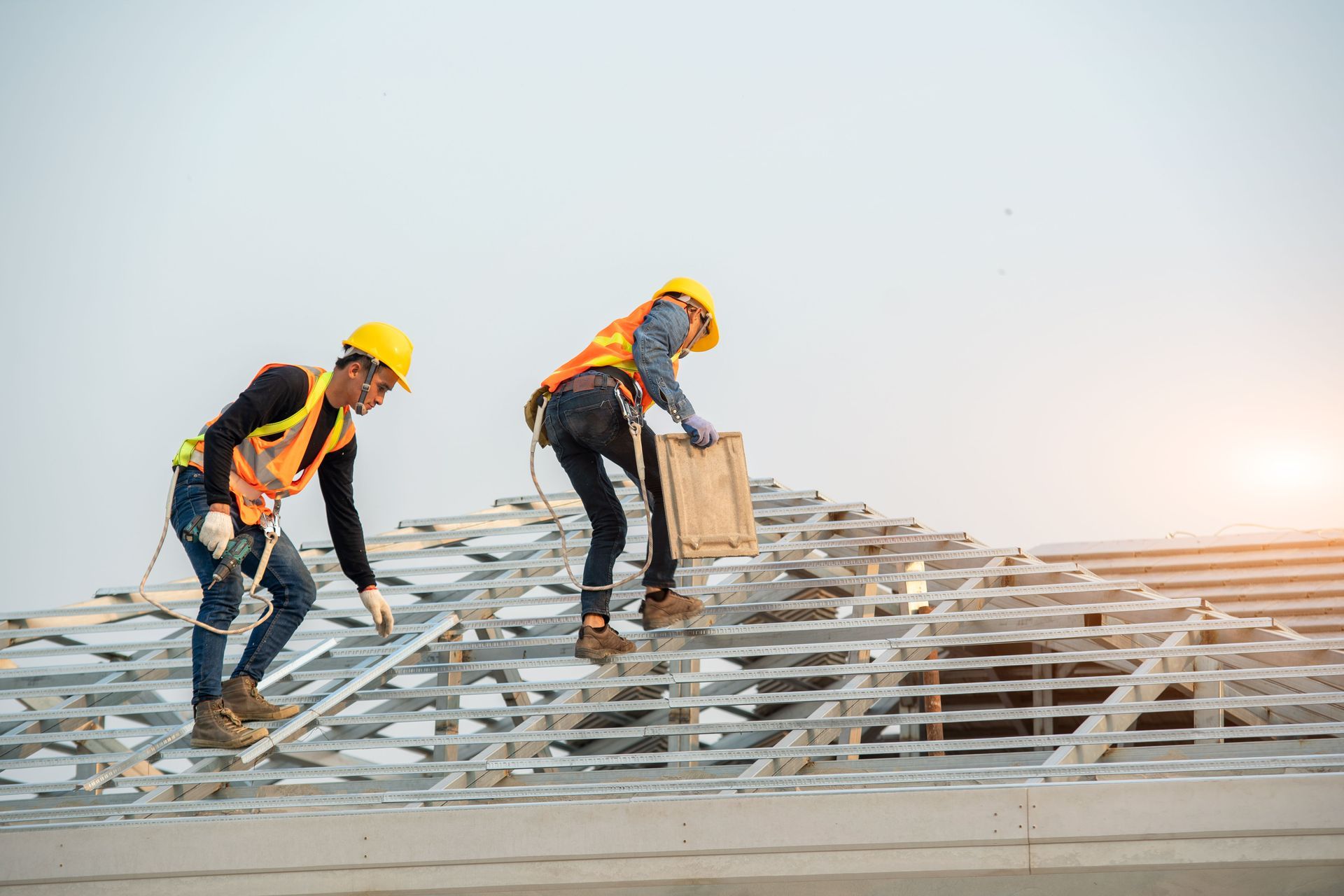
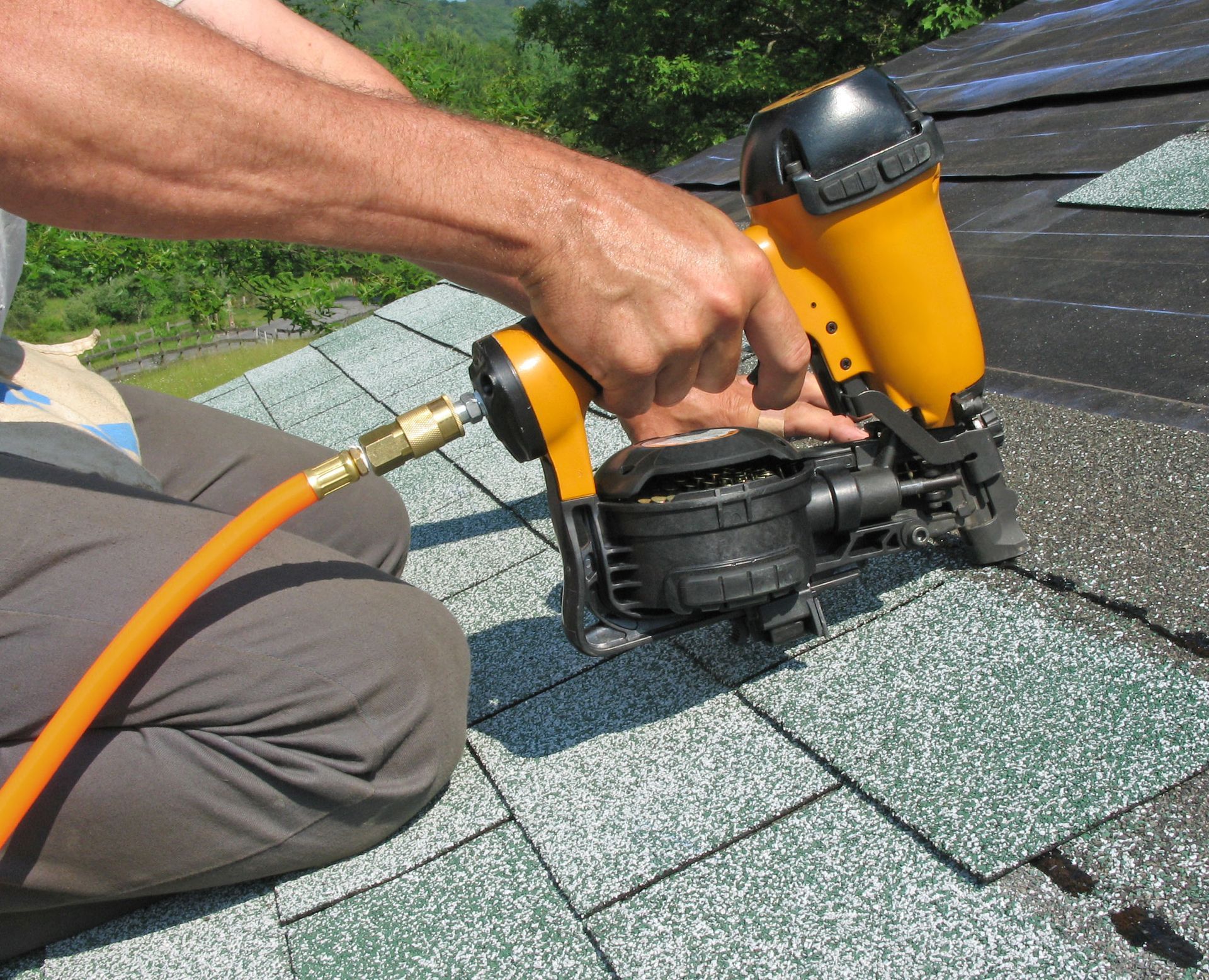
Sometimes a leak has nothing to do with age or maintenance. Improper installation can create hidden weak points where water may infiltrate. Flashing around chimneys, vents, or skylights that isn’t properly sealed can leave gaps, and poorly applied sealants may fail over time. Severe weather compounds these risks, as strong winds, hail, or heavy rain can damage shingles or lift them slightly, exposing areas that were once protected. These hidden flaws often go unnoticed until a storm reveals them, resulting in persistent roof leaking inside your home. Addressing installation issues promptly with a professional contractor can prevent small problems from turning into major water damage. If you’re uncertain about the source of a leak or how to fix it, relying on experienced professionals ensures the job is done correctly. For trusted inspections and repairs that keep your roof—and your home—safe, contact Larry Miller Inc.
Share On: